Encyclopedia of Ancient Natural Scientists: The Greek Tradition and its Many Heirs
Encyclopedia of Ancient Natural Scientists: The Greek Tradition and its Many Heirs | Libri antichi e moderni | Keyser, Paul T. - Irby-Massie, Georgia L. (eds.)
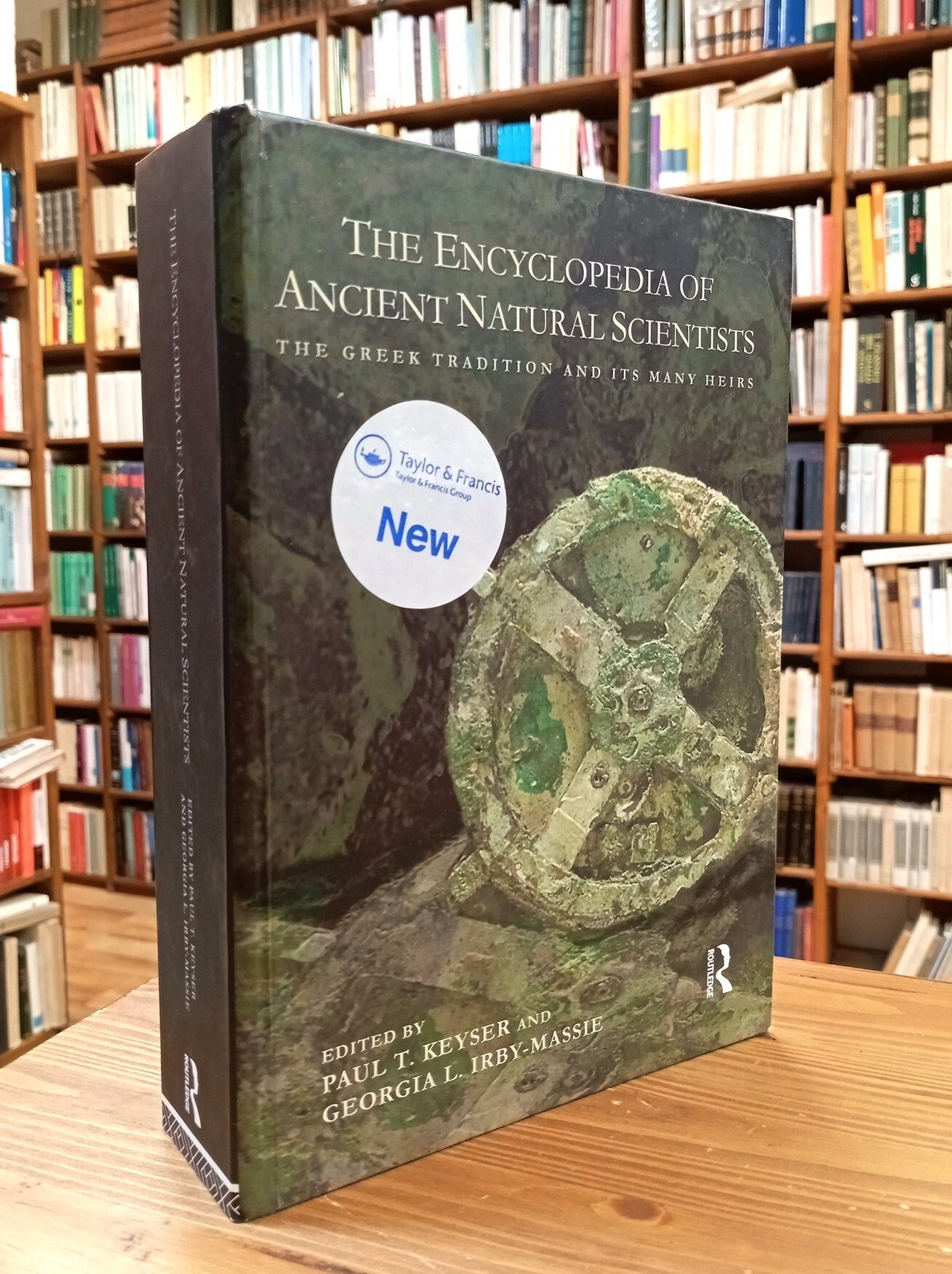
Encyclopedia of Ancient Natural Scientists: The Greek Tradition and its Many Heirs
Encyclopedia of Ancient Natural Scientists: The Greek Tradition and its Many Heirs | Libri antichi e moderni | Keyser, Paul T. - Irby-Massie, Georgia L. (eds.)
Metodi di Pagamento
- PayPal
- Carta di Credito
- Bonifico Bancario
- Pubblica amministrazione
- Carta del Docente
Dettagli
- Anno di pubblicazione
- 2008
- ISBN
- 9780415340205
- Autore
- Keyser, Paul T. - Irby-Massie, Georgia L. (eds.)
- Pagine
- 1072
- Editori
- Routledge
- Formato
- 25 cm
- Soggetto
- Descrizione
- hardcover
- Stato di conservazione
- Buono
- Lingue
- Italiano
- Legatura
- Rilegato
- Condizioni
- Usato
Descrizione
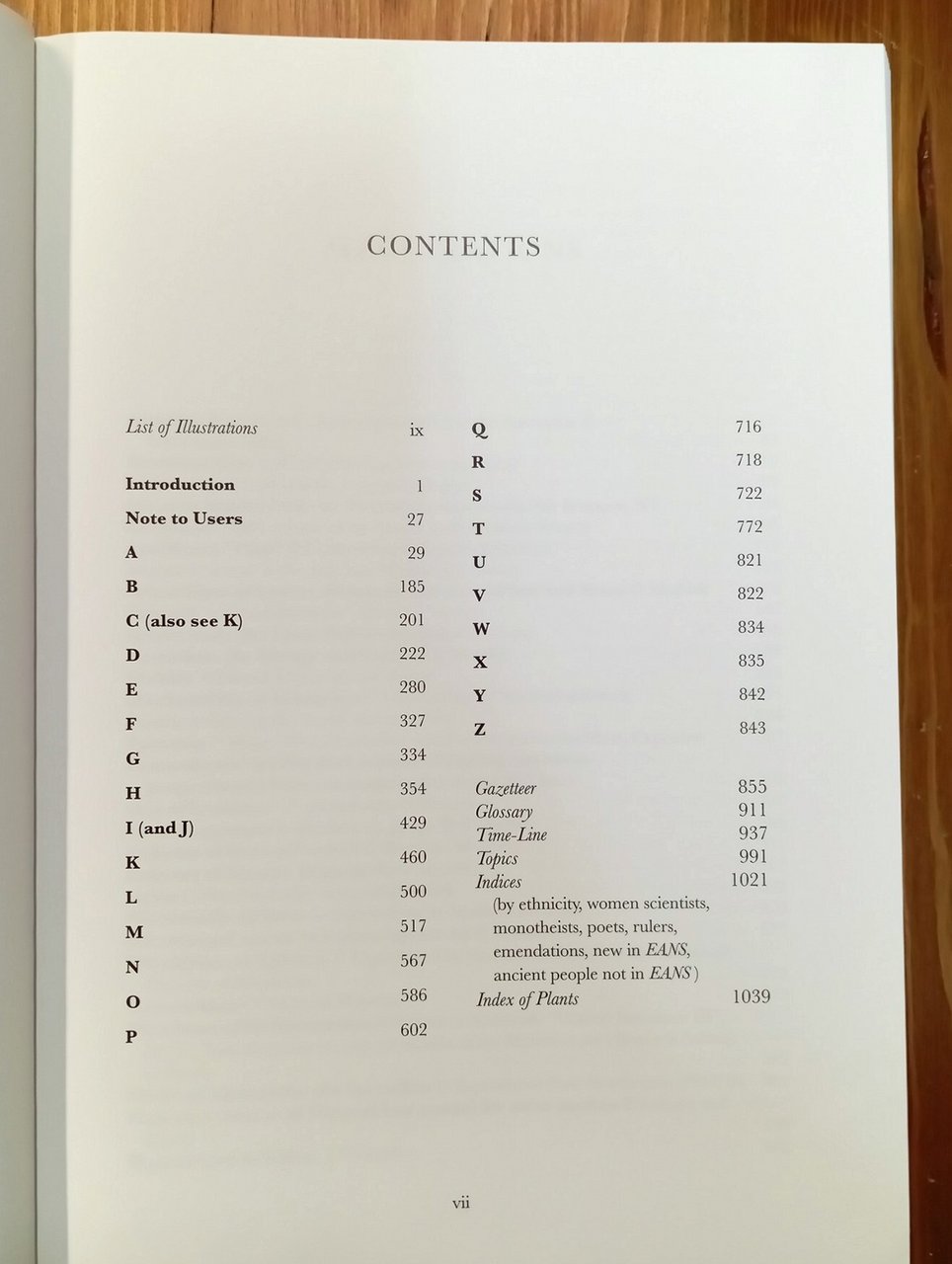
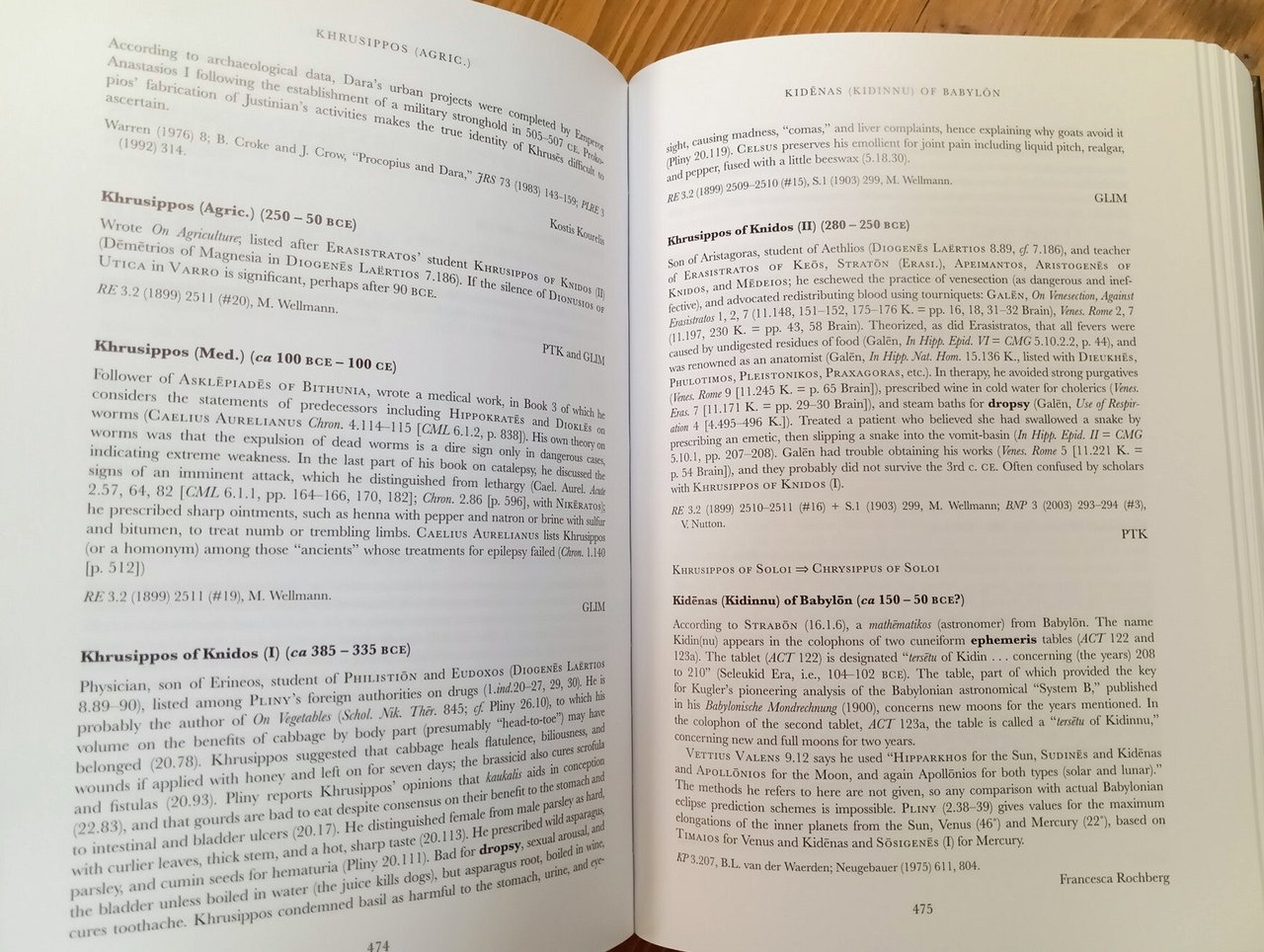
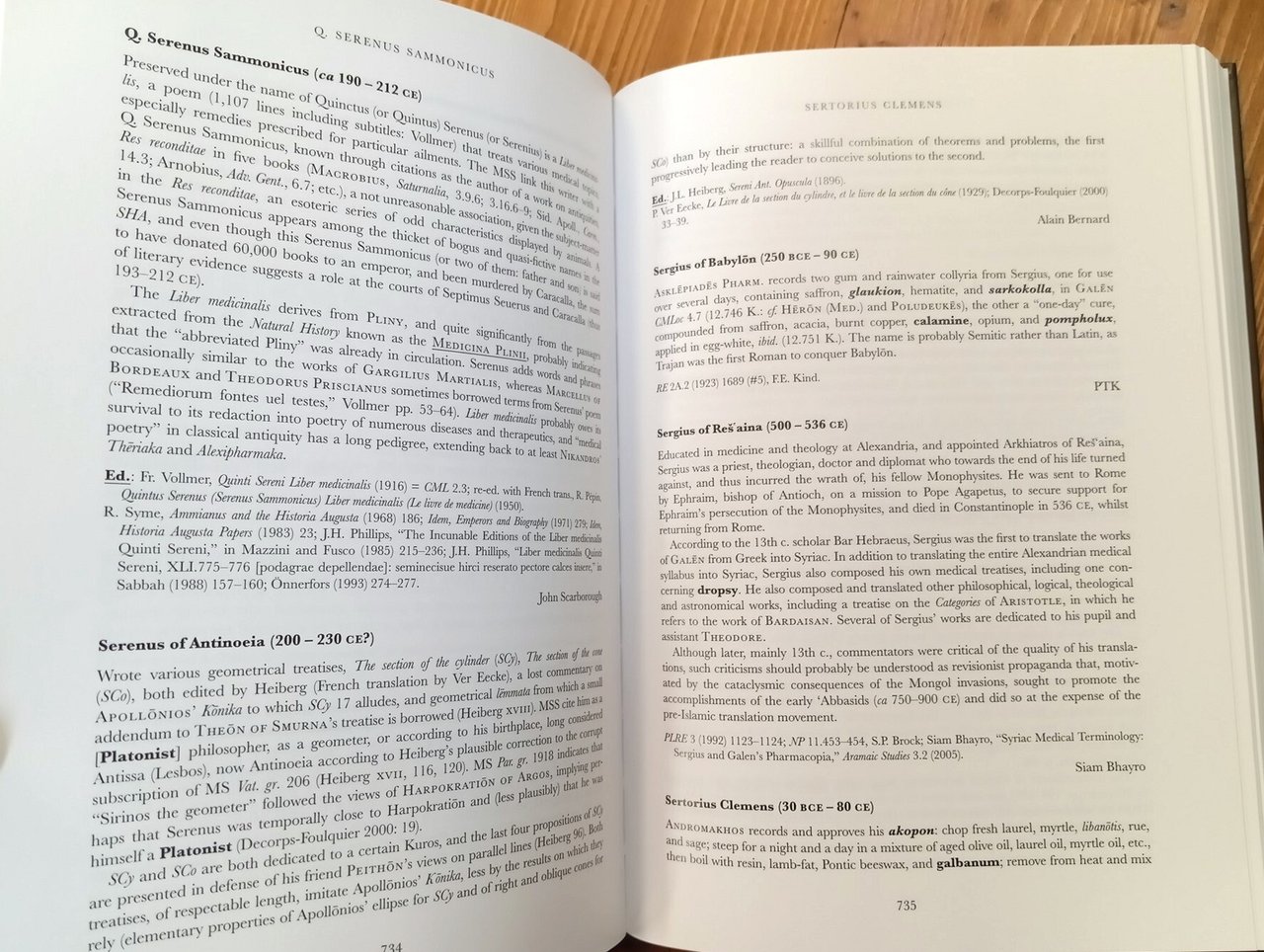
[Hardcover edition] Volume in copertina rigida, ix-1062 pagine. Indice generale consultabile nelle nostre immagini / Table of contents available in our pictures. Copia in ottimo stato, poco o nulla frequentata; opera di grande rilievo scientifico, non comune -- The Encyclopedia of Ancient Natural Scientists is the first comprehensive English language work to provide a survey of all ancient natural science, from its beginnings through the end of Late Antiquity. A team of over 100 of the world's experts in the field have compiled this Encyclopedia, including entries which are not mentioned in any other reference work – resulting in a unique and hugely ambitious resource which will prove indispensable for anyone seeking the details of the history of ancient science. Additional features include a Glossary, Gazetteer, and Time-Line. The Glossary explains many Greek (or Latin) terms difficult to translate, whilst the Gazetteer describes the many locales from which scientists came. The Time-Line shows the rapid rise in the practice of science in the 5th century BCE and rapid decline after Hadrian, due to the centralization of Roman power, with consequent loss of a context within which science could flourish.