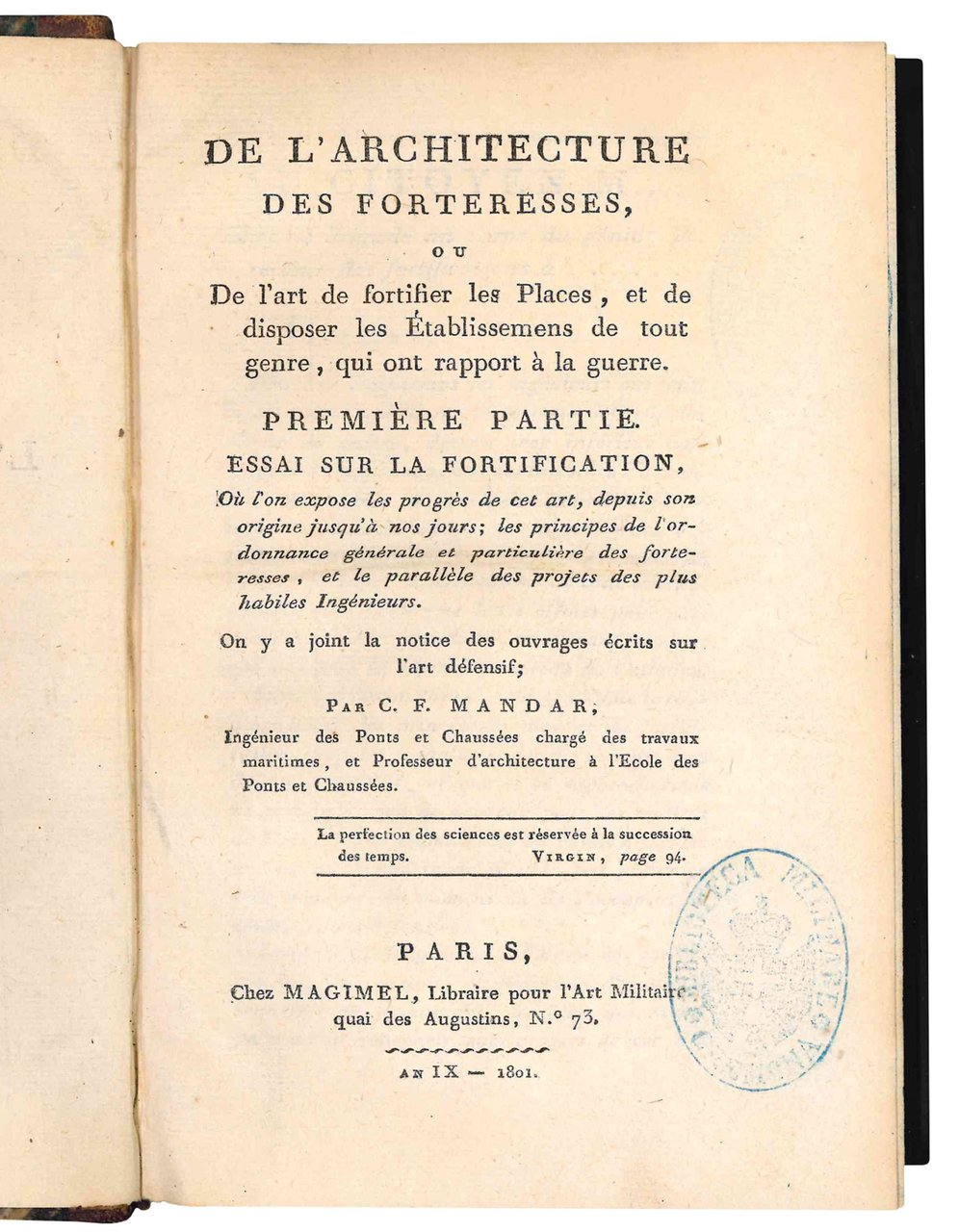
De l'architecture des forteresses ou De l'art de fortifier les Places, et de disposer les Etablisemes de tout genere, qui ont rapport à la guerre. Pemière partie [all published]. Essai sur la fortification [...]
De l'architecture des forteresses ou De l'art de fortifier les Places, et de disposer les Etablisemes de tout genere, qui ont rapport à la guerre. Pemière partie [all published]. Essai sur la fortification [...] | Libri antichi e moderni | MANDAR, Charles Francois (1757-1844)
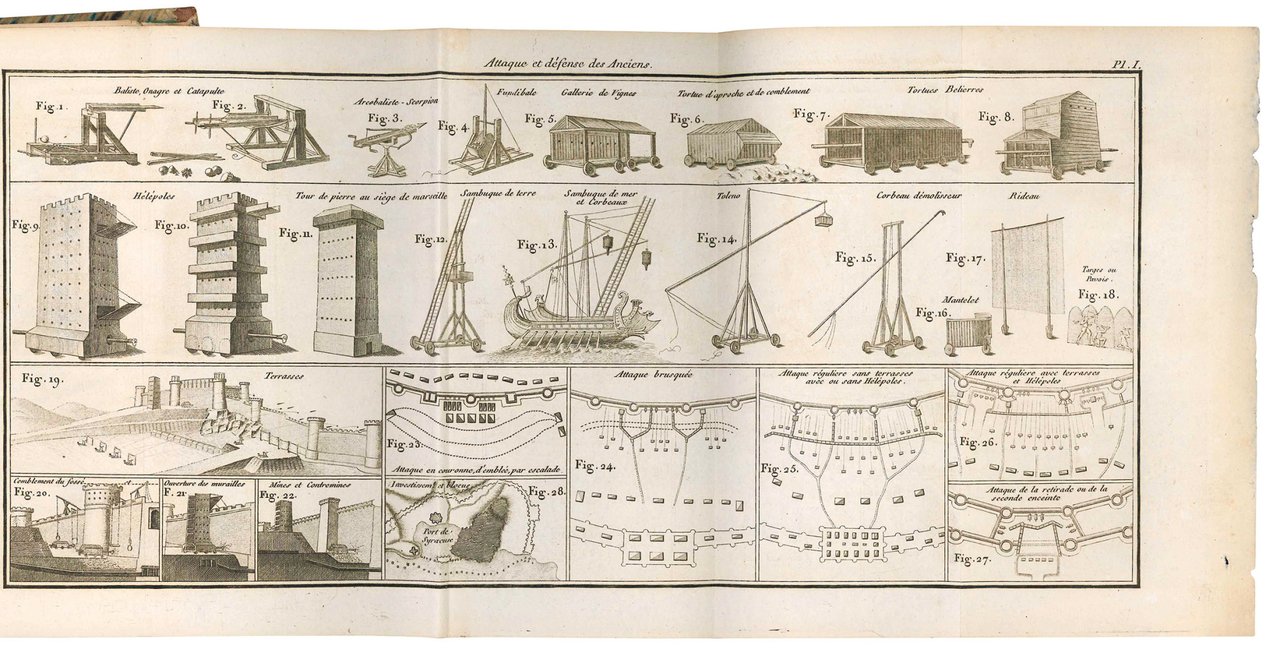
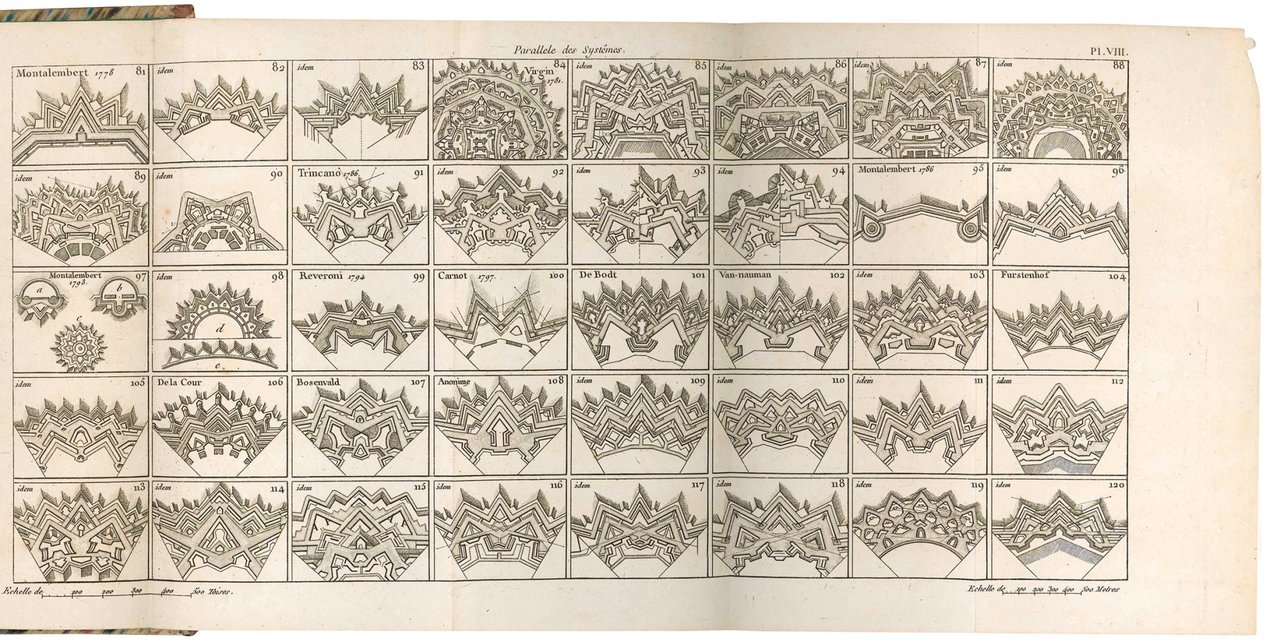
De l'architecture des forteresses ou De l'art de fortifier les Places, et de disposer les Etablisemes de tout genere, qui ont rapport à la guerre. Pemière partie [all published]. Essai sur la fortification [...]
De l'architecture des forteresses ou De l'art de fortifier les Places, et de disposer les Etablisemes de tout genere, qui ont rapport à la guerre. Pemière partie [all published]. Essai sur la fortification [...] | Libri antichi e moderni | MANDAR, Charles Francois (1757-1844)
Metodi di Pagamento
- PayPal
- Carta di Credito
- Bonifico Bancario
- Pubblica amministrazione
- Carta del Docente
Dettagli
- Anno di pubblicazione
- 1801
- Luogo di stampa
- Paris
- Autore
- MANDAR, Charles Francois (1757-1844)
- Editori
- Chez Magimel, Librairie pour Art Militaire, quai des Augustins
- Soggetto
- Ottocento e Novecento
- Stato di conservazione
- Buono
- Lingue
- Italiano
- Legatura
- Rilegato
- Condizioni
- Usato
Descrizione
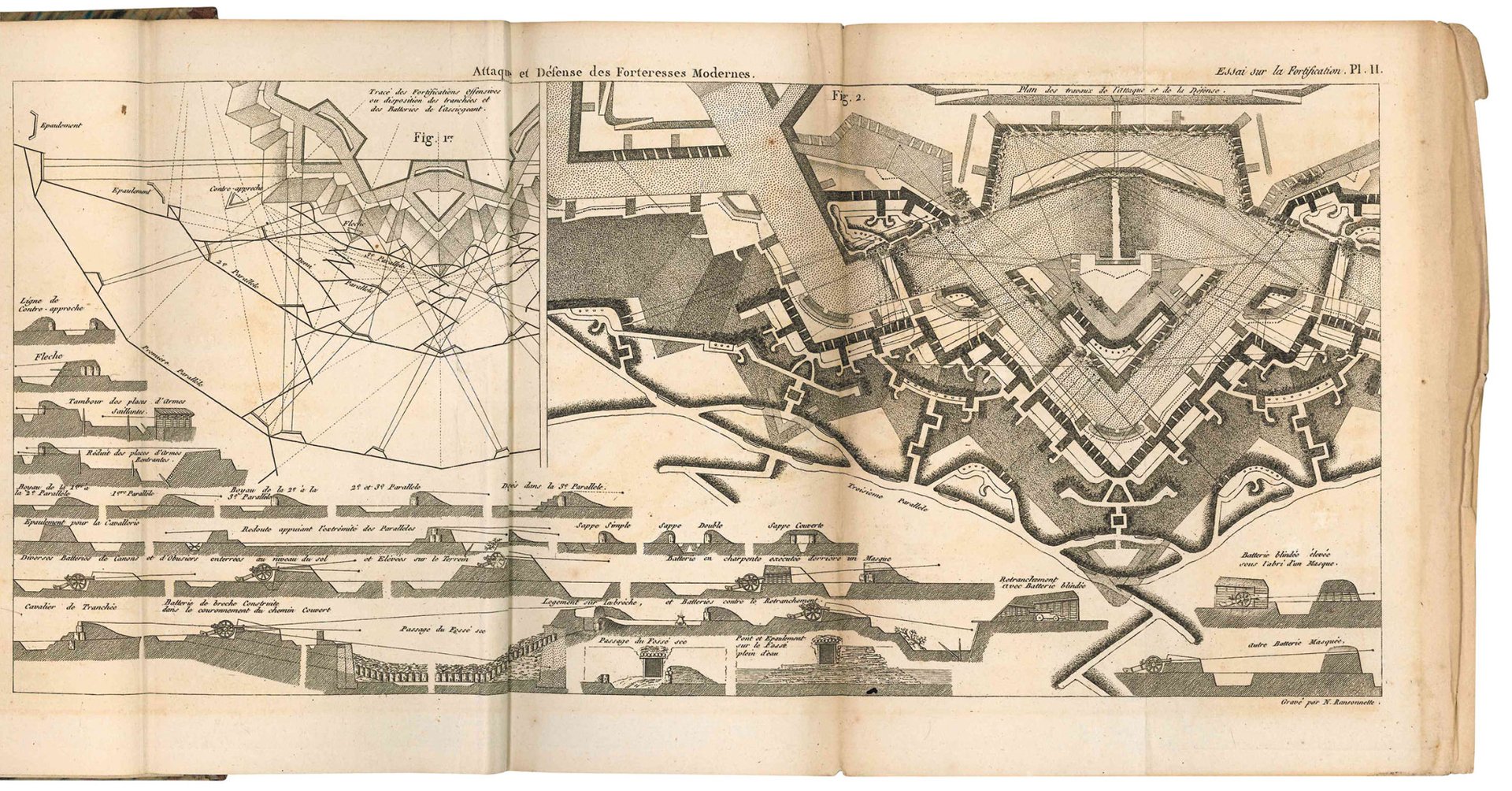
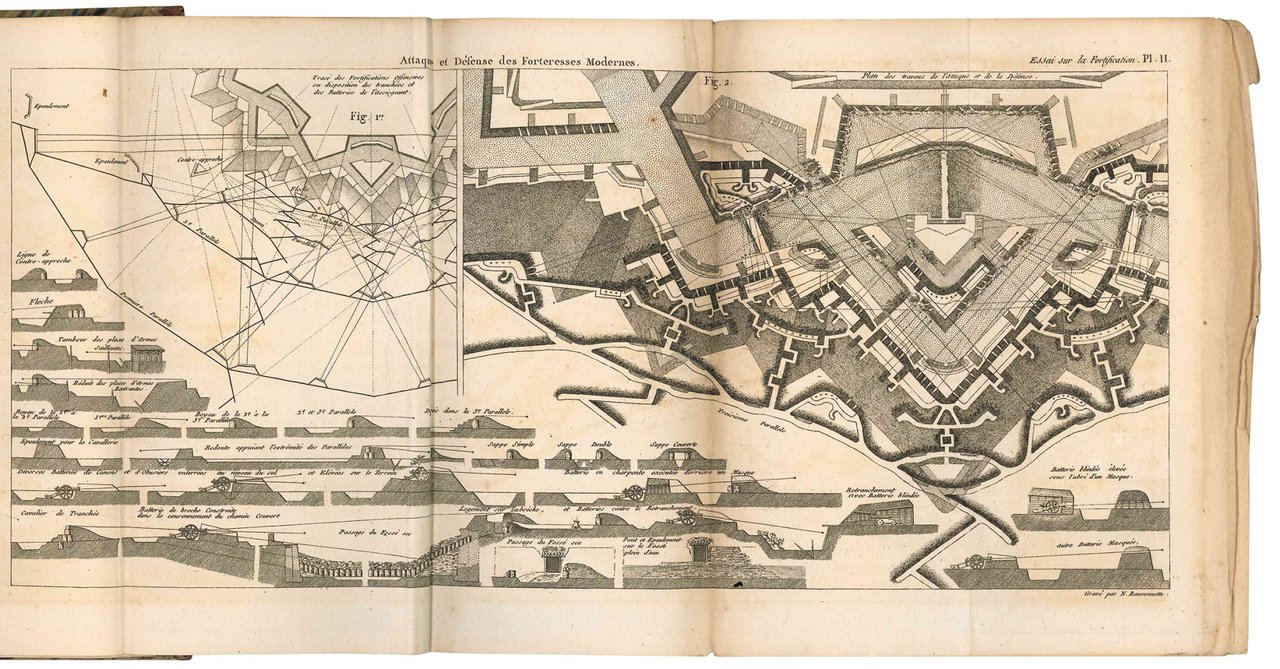
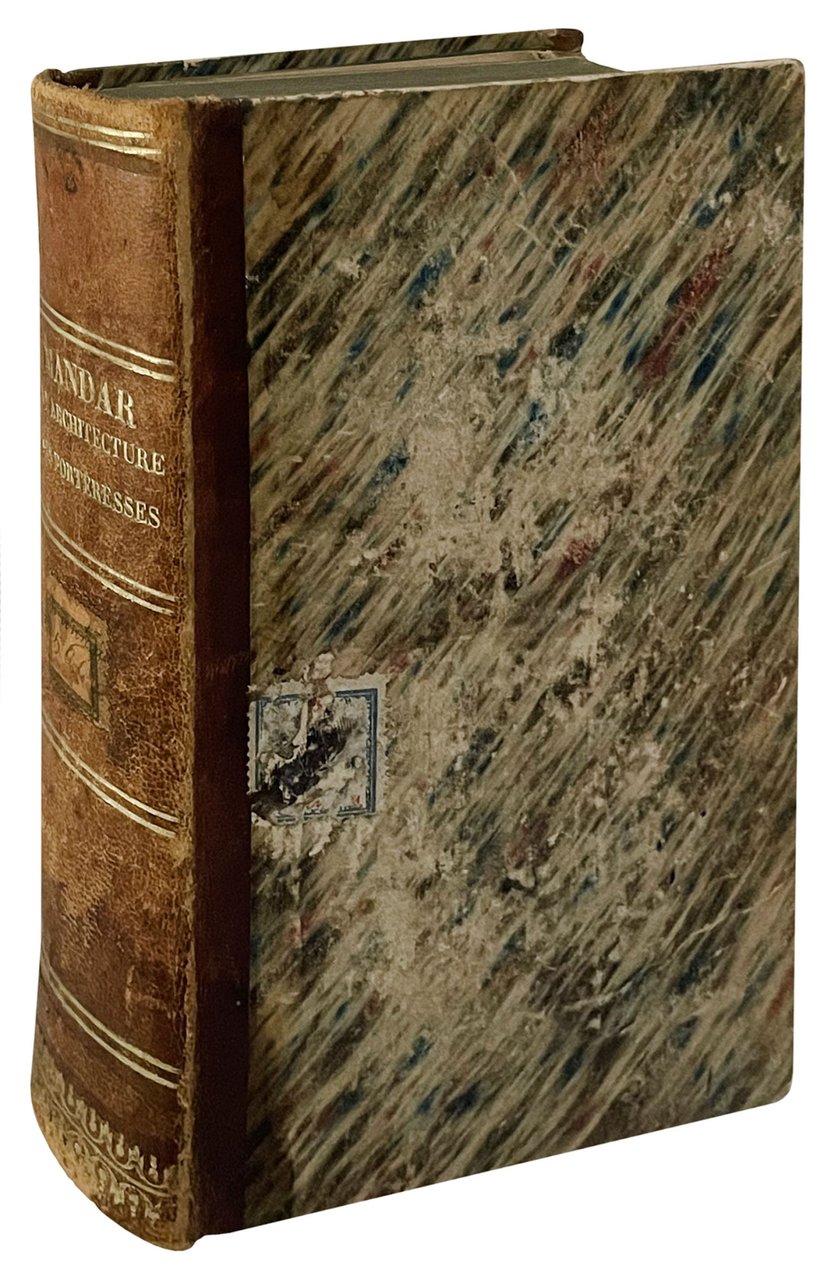
8vo (197x127 mm). XI, 698, [2] pp. and VIII engraved folding plates bound at the end with 120 small illustrations of various fortification designs, including plans and cross-sections. With tail-pieces, printed marginalia and many tables in the text. With an extensive bibliography at pp. 680-698 and the errata corrige on the final leaf. Stamps of the 'Biblioteca Militare Cremona'. Later half-calf with marbled panels, gilt title on the spine, blue edges (bottom-spine and corners slightly rubbed). A good, fresh and wide-margins copy.
First edition. The Encyclopaedia Britannica (11th edition, 1910) has described this book as "one of the more important works on the subject of fortification and siege war", and the book has been listed as such together with the works of the great fortification theoreticians Dürer, de Ville, Coehoorn, Vauban, Noizet, as well as the later writers Plessix and Legrand, Ritter von Brunner, and Delambre.Charles-François Mandar was a French architect and engineer, best remembered for building a Chinese pavilion at the Château de Madon in 1790. He was made a Knight of the Legion of Honour in 1814.
Italian Union Catalogue, LO1E\039540; Charles Francois Mandar (1757-1845), Jordan 2337; Nouvelle Bibliographie Generale, 33-34, Copenhague, 1967, p. 163.