Claudij Ptolemaei . Omnia, quae extant, opera, Geographia excepta, quam seorsim quoque hac forma impressimus
Claudij Ptolemaei . Omnia, quae extant, opera, Geographia excepta, quam seorsim quoque hac forma impressimus
Metodi di Pagamento
- PayPal
- Carta di Credito
- Bonifico Bancario
- Pubblica amministrazione
- Carta del Docente
Dettagli
- Luogo di stampa
- Basilea
- Autore
- Tolomeo Ptolomaeus, Claudius, Honter, Johannes Ptolemaeus Ptolomeus
- Editori
- apud Henricum Petrum
- Soggetto
- Astronomia astrologia astronomy astrology scienze sciences mappe, plans stars stelle costellazioni constellations woodcut legni, classici classics first edition prima edizione originale
- Lingue
- Italiano
Descrizione
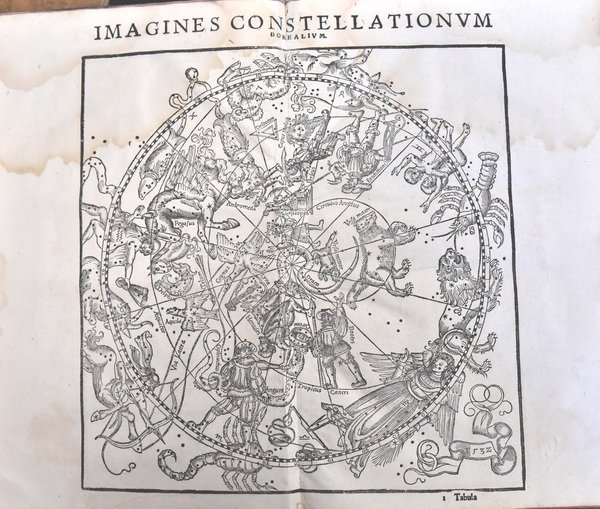
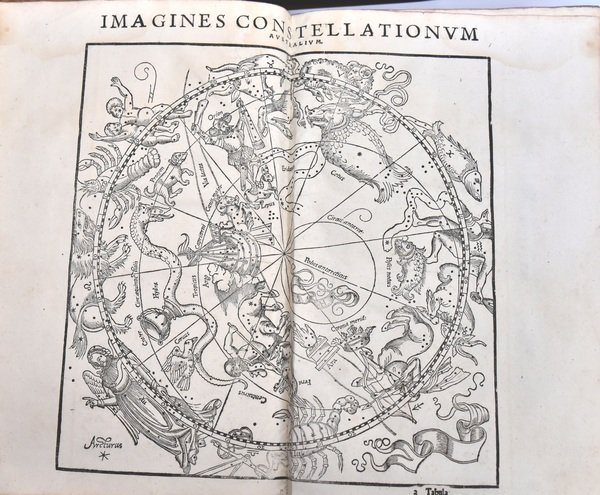
In -folio, pp. (28), 511 (ma 482, mancano le ppp. 429-458, in questa copia sostituite con fogli bianchi), 2 tavole doppie, bella marca editoriale al colophon. Legatura in mezza pelle. Prima edizione molto rara dell’opera completa di Tolomeo tradotta in latino, a cura di Gemuseo (Hieronymus Gemusaeus) e Giorgio di Trebisonda (Trapezuntius): al frontespizio sono elencate le opere con i rispettivi traduttori. La copia è arricchita da due rare tavole doppie, qui perfettamente conservate, incise a legno da Johannes Honter (1498-1549), e che rappresentano le volte celesti figurate, quella Boreale e quella Australe: si tratta di due mappe rarissime, che per la prima volta accompagnano l’opera di Tolomeo, incise dall’umanista ungherese e ispirate a quelle del Dürer, che e presentano due novità assolute: sono le prime mappe a rappresentare le costellazioni in modo geocentrico (cioè viste dalla Terra: quelle di Dürer mostrano una visione dall’esterno), ed è anche il primo caso noto in cui le figure indossano vestiti contemporanei: “These two woodcut maps are noteworthy for both their geocentrism and their novel constellation style. Whereas Dürer’s maps, the first important printed single-sheet maps, showed the stellar universe as from the outside, Honter’s were the first important printed […] showing the stars as seen from earth. Other cartographers who quickly adopted Honter’s point of view were Piccolomini and Postel […] Honter dressed five of the male figures - Auriga, Bootes, Erichtoni, Perseus and Orion - in contemporary fashions, with belted tunics and flamboyant hats” (D. Warner, “The Sky Explored, Celestial Geography, Theatrum Orbis Terrarum, 1979, pp. 123-26). Quest’esemplare è purtroppo scompleto, nel testo, delle pagine da 429 a 458. A first rare edition of the complete works of Ptolomaeus traslated into latin. This copy is enriched by the two woodcut plates by Johannes Honter: very rare, it’s the first time these plans accompany a printed text: “These two woodcut maps are noteworthy for both their geocentrism and their novel constellation style. Whereas Dürer’s maps, the first important printed single-sheet maps, showed the stellar universe as from the outside, Honter’s were the first important printed […] showing the stars as seen from earth. Other cartographers who quickly adopted Honter’s point of view were Piccolomini and Postel […] Honter dressed five of the male figures - Auriga, Bootes, Erichtoni, Perseus and Orion - in contemporary fashions, with belted tunics and flamboyant hats” (D. Warner, “The Sky Explored, Celestial Geography, Theatrum Orbis Terrarum, 1979, pp. 123-26). This copy is unfortunately uncomplete in the text part, missing pp. 429-58.
